Garden Maintenance Kentish Town: Recycling & Sustainability
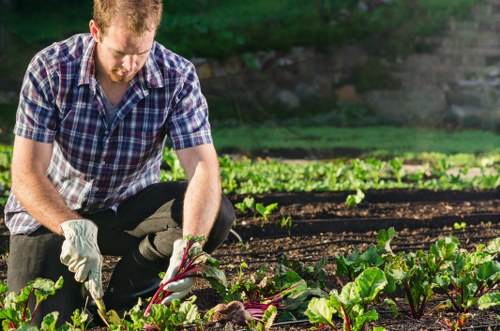
Garden Maintenance Kentish Town takes a practical, locally led approach to creating an eco-friendly waste disposal area and a thriving sustainable rubbish gardening area. Our teams blend traditional Kentish Town garden care with modern waste-smart practices to reduce landfill, increase on-site reuse and support circular horticulture. This page explains how our services, vehicle choices and community partnerships support a greener neighbourhood while aligning with borough recycling expectations.Our approach to garden maintenance in Kentish Town brings together composting, careful material separation and targeted reuse. We promote a clear on-site system so that soil, wood chippings, plant cuttings and non-compostable green waste are handled separately. By prioritising reuse of healthy soil and mulches we reduce the need for fresh peat or synthetic inputs; this supports a robust sustainable rubbish gardening area where garden refuse becomes a resource rather than waste.
 We set a firm, measurable recycling percentage target: 70% of all garden waste diverted from general rubbish to reuse, composting, or recycling streams within 12 months of service adoption. That target balances ambition with the practicalities of inner-London collection and waste-transfer logistics. As part of Kentish Town garden maintenance services we adapt to the Camden and neighbouring boroughs' approach to waste separation — typically a food/organics stream, paper/card, mixed recycling and general waste — so materials from site are placed into the correct local channels.
Local transfer stations and aggregation points are central to low-impact removal. We routinely deliver separated loads to nearby transfer stations that accept green waste and bulky garden items, helping to lower double-handling and energy use. Our routing prioritises the closest suitable transfer hubs to Kentish Town and utilises scheduled drop-offs to reduce idling and unnecessary journeys. Partnerships with borough transfer facilities allow us to track tonnages and confirm onward processing, making our recycling claims verifiable.

Partnerships with Charities and Reuse Networks
We partner with charities and community reuse networks to ensure functional soil, plants and surplus materials are kept in circulation. Examples include collaborations with local allotment groups, housing association green teams and repair cafés that accept pots, tools and salvageable timber. Key partnership activities include:- Redistributing healthy plants and compost to community gardens
- Donating usable tools and containers to local charities
- Working with social enterprises that upcycle timber and garden furniture
By placing useful items in charity channels we reduce waste collection volumes and support local social value. Our partnerships also create routes for community-scale composting and educational exchanges about separating waste at source.
Low-Carbon Vans and Operational Choices
 To lower emissions, our fleet includes low-carbon vans and hybrids specifically configured for garden work. Vehicles are maintained to an exacting standard to keep fuel efficiency high, and we plan collections to minimise deadheading. Using Euro 6 and electric-assisted vans where practical reduces particulate and CO2 output across Kentish Town's narrow streets. We monitor mileage and fuel use to report on carbon savings attributable to consolidated loads and smarter scheduling.
We also make practical on-site choices that contribute to sustainability: shredding branches to create mulch, storing dry woody material for future habitat piles or chipping, and using bagging systems that favour compostable sacks rather than single-use plastics. These small steps, when multiplied across regular Kentish Town garden maintenance contracts, significantly reduce combined municipal and private waste burdens.
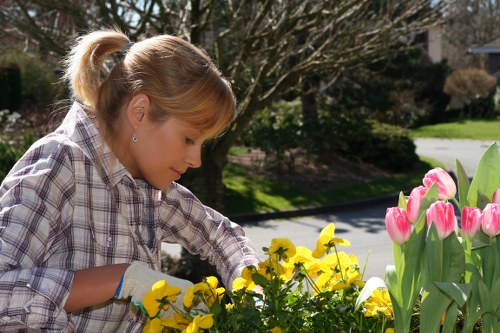 Tracking, targets and community outcomes are central: our recycling percentage target of 70% is backed by monthly reporting to clients and quarterly summaries demonstrating volume diverted, tonnage to transfer stations and the number of items donated to charities. We measure progress against borough benchmarks and adjust on-the-ground practice to reflect seasonal changes in garden waste streams—spring green waste surges are handled differently from autumn leaf fall.
In summary, our Kentish Town garden maintenance model integrates an eco-friendly waste disposal area mindset with a practical sustainable rubbish gardening area operation: clear separation at source, verified transfer station routing, active charity partnerships and a low-carbon fleet. Together, these elements help us build greener streets, healthier soils and a more circular approach to garden waste in Kentish Town.