Garden Maintenance in Kentish Town

Garden maintenance in Kentish Town is about keeping planted spaces tidy, healthy and usable through the seasons, with work shaped around the condition of the garden rather than a one-size-fits-all routine. We maintain borders, lawns, hedges, shrubs and access areas so the outside space looks cared for and remains easier to manage over time. For many homes and shared properties, regular attention prevents small jobs from turning into larger clearance or repair work later.
Our service can include routine mowing, edging, weed control, pruning, leaf collection and general tidy-ups, with the work planned around what the garden actually needs. Good maintenance is cumulative: a clean finish after one visit helps the next visit go more smoothly, while sensible cutting and pruning support stronger growth. If you are comparing options, think first about the parts of the garden that matter most to you, such as a front lawn, a back border, or the hedges that affect appearance and light.
We also help with practical seasonal changes, from heavier leaf fall in autumn to spring preparation and mid-season shaping. That can include clearing dead material, managing fast growth, keeping paths free of debris and improving the overall presentation of the garden without overworking healthy planting. Request a quotation when you are ready to discuss the tasks that matter most.
Routine care for lawns, borders and pathways
Regular garden maintenance is usually built from several smaller tasks rather than one large intervention. Lawns benefit from consistent cutting, edging and checking for patchy areas, while borders need weeding and occasional thinning so established plants are not crowded out. Paths, side returns and patio edges also need attention because fallen leaves, moss and overgrown plants can make a neat garden look untidy even when the planting itself is in good condition.
Where gardens are used every day, the best approach is often to keep the workload balanced rather than pushing for a drastic cutback. Garden maintenance can be adapted for weekly, fortnightly or occasional visits depending on how quickly the space grows and how much detail it needs. A planned visit can focus on the areas that change fastest, leaving less demanding sections to a lighter cycle so the finish stays consistent without unnecessary disturbance.
When you contact us, it helps to say which areas need the most attention and whether there are access issues, special plants or boundaries that should be treated carefully. A simple description is often enough to begin, though photographs can make it easier to judge the scale of work. Pricing and quotes are then easier to discuss in relation to the actual tasks, rather than as a vague single figure for the whole garden.
Hedge cutting, shaping and controlled reduction

Hedges are one of the clearest signs of whether a garden is being maintained properly, because they affect privacy, light, access and the overall outline of the property. We trim hedges to reduce straggly growth, sharpen the line and keep them from spilling over paths or neighbouring boundaries. Where needed, the work can also include a more deliberate reshape so the hedge holds a cleaner profile rather than simply being cut back to a rough line.
Different hedge types call for different handling. Dense evergreen hedges usually need regular light trimming to stay compact, while more vigorous or mixed hedges may need selective cutting to avoid bare patches and awkward uneven growth. Hedge trimming is therefore more than shortening branches; it is about maintaining a suitable form, keeping the hedge healthy and ensuring the garden still feels open enough to use comfortably.
In some gardens, the hedge is part of a larger boundary treatment alongside fencing, gates or planting beds. That means the finish should be judged in relation to the whole space rather than as an isolated job. A neat hedge can lift the appearance of the front garden, while a well-managed rear boundary can improve daylight and movement through narrower areas. Careful cutting also helps avoid unnecessary damage to active growth and nesting areas where the season and plant type require restraint.
Lawn mowing and the finish that follows
A healthy-looking lawn depends on more than cutting the grass. The height, frequency and direction of mowing all affect how the surface recovers, and edging can make as much visual difference as the cut itself. We focus on presenting lawns with a uniform finish, removing clippings where needed and dealing with the awkward margins that standard mowing can miss, such as fence lines, steps and narrow strips beside paths.
Lawn mowing is most effective when it is part of an ongoing plan rather than a one-off rescue of an overgrown area. If the grass has been left to grow too long, the work may need to be handled in stages so the lawn is not stressed by cutting it too short at once. That is especially useful where the lawn forms the main visible area of the property and needs to look even from one visit to the next.
Useful details to mention when asking for a quotation include the approximate size of the grassed area, whether the lawn is flat or sloped, and whether there are obstacles such as beds, ornaments or narrow side access. If you know which parts of the garden are hardest to reach, say so early. That keeps the discussion practical and helps ensure the maintenance plan reflects the real layout of the space.
Clearance, seasonal tidy-ups and heavier growth

Some gardens need maintenance that goes beyond routine trimming and mowing, especially after periods of bad weather, holiday absence or seasonal growth spurts. In those cases, tidying often starts with removing fallen leaves, broken stems, weeds, cuttings and other light debris before moving on to more visible areas. The aim is not simply to empty the garden of material, but to restore order so the remaining planting and hard surfaces can be maintained more easily.
Garden clearance is useful when borders, beds or access routes have become crowded, or when a property needs a reset before ordinary maintenance can resume. This might involve reducing overgrowth, opening up blocked corners, and making the garden easier to use again. Where the work overlaps with ongoing care, we can treat clearance as the first stage of a longer maintenance plan rather than as a stand-alone tidy.
Heavier maintenance often benefits from a prioritised sequence: first the material that blocks access, then the growth that affects shape, and finally the finer touches that improve presentation. That order keeps the work efficient and helps avoid unnecessary disturbance to the parts of the garden that are already in reasonable condition. It also means the quotation can reflect the actual level of work more accurately, rather than assuming every garden needs the same amount of attention.
Planting beds, borders and landscape upkeep
Garden maintenance often works best when it pays close attention to the planted parts of the space, not just the obvious grass or hedge lines. Borders need weeds removed before they compete with established plants, while shrubs may need selective pruning so they keep shape without losing their natural character. In mixed gardens, the right level of care can preserve structure, colour and seasonal interest while still keeping the whole area tidy.
Landscape gardening can sit alongside maintenance when planting areas need improvement as well as upkeep. That might mean refreshing tired sections, adjusting the layout around mature plants, or replacing weak structure with more balanced planting. Even where no major redesign is needed, a maintenance visit can still support the long-term health of the garden by clearing around stems, checking for congestion and leaving enough room for airflow and light.
Good border care also reduces the risk of a garden becoming visually fragmented, with some parts looking controlled and others overgrown. A consistent finish across beds, edges and planting islands creates a more coherent appearance and makes future maintenance simpler. If a border is used for bulbs, shrubs or mixed seasonal planting, the work should take account of what should be left in place and what should be cut back now rather than later.
About Kentish Town
Kentish Town is an area of north London in the London Borough of Camden, lying between Camden Town and Tufnell Park and close to Hampstead Heath to the west. Its name is older than the modern urban district and is commonly associated with the historic settlement that grew along the route now followed by Kentish Town Road. The area developed as London expanded northwards, and much of its present character reflects layers of 19th- and early 20th-century building rather than a single planned estate. Residential streets sit alongside busy transport corridors, local shops and smaller civic buildings, creating a varied street pattern that still feels compact in comparison with some surrounding districts.
The area is served by Kentish Town station on the Thameslink route and by Kentish Town West on the London Overground, which has helped it remain closely connected to central London while retaining a recognisable neighbourhood identity. Parts of the district are notable for their Victorian and Edwardian terraces, with later infill and redevelopment adding variety in scale and materials. Nearby green spaces such as Hampstead Heath shape the wider setting, while smaller local pockets of planting and front gardens contribute to the look of residential streets. The neighbourhood also has a cultural life associated with music venues, community facilities and a strong sense of everyday London density, where pubs, schools and corner businesses sit within walking distance of one another. Taken together, these features give Kentish Town a landscape of busy roads, quieter side streets and a mix of architectural eras that can be read clearly from one block to the next.
For residents and property managers, that variety means outside spaces range from compact front gardens to longer rear plots and shared access areas. The built form is often close-grained, so small changes in planting, hedging or lawn care can make a noticeable difference to how a property sits within its street. About us gives more background on the company, while this page focuses on maintaining the gardens themselves.
Managing growth through the seasons
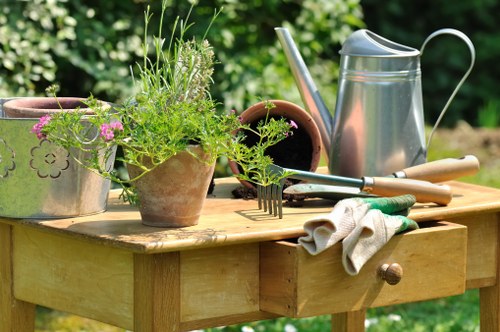
Seasonal maintenance is about anticipating what the garden will need next rather than waiting until it becomes untidy. In spring, that often means clearing winter debris, cutting back damaged material and getting lawns back into shape. Summer tends to bring faster growth, so the work may shift towards trimming, edging and keeping borders under control. Autumn usually adds leaf fall and the need to prevent slippery surfaces or blocked drainage points. Winter jobs are often lighter, but they still matter for structure and access.
Recycling and sustainability can be relevant when the maintenance work produces cuttings, leaves and other green waste. Where possible, good practice is to separate material sensibly and avoid needless contamination with general rubbish. That supports a tidier site and keeps the process more responsible without turning a routine maintenance visit into something overcomplicated. The main aim remains a clean garden with practical handling of the material created by the work.
Some gardens need a steadier schedule all year, while others only need periodic attention at key times. The best approach depends on how fast the planting grows, how much use the space gets and whether the homeowner prefers a polished appearance or a more relaxed finish. If the garden has mixed planting, a lawn and one or two hedges, seasonal maintenance can be organised around the parts that change most quickly so the whole space stays manageable.
Preparing a practical quotation
When you ask for a quotation, the clearest brief is usually the simplest one. Say which sections need attention, whether the work is routine or overdue, and whether there are items that must be left alone, such as delicate planting, water features or access gates. If there are multiple outdoor areas, it helps to separate them so the work can be priced sensibly rather than bundled into a single vague description.
Contact us if you would like to discuss the maintenance work in more detail. A useful enquiry does not need to be long, but it should give enough context for the scope to be understood. That may include the type of garden, the current condition, any preferred visit pattern and whether the priority is appearance, access or seasonal recovery. With that information, we can discuss a suitable plan without unnecessary back-and-forth.
Our aim is to make the process straightforward from the first conversation. If you are arranging maintenance for a home, landlord property or shared garden, a clear outline of the work usually leads to a more accurate quotation and a better fit between the tasks and the time available. Request a quotation when you are ready to take the next step.
Why regular upkeep is easier to manage

Regular upkeep keeps the work predictable. A lawn that is cut before it becomes too long is easier to finish neatly, a hedge that is shaped frequently needs less drastic correction, and borders that are weeded early are less likely to become congested. That is why garden maintenance tends to work best as an ongoing service rather than as a reaction to visible neglect. The result is usually a more stable appearance and less disruption from one visit to the next.
It also helps when the work is planned with the layout of the garden in mind. Narrow access routes, corner beds, mature shrubs and mixed-use spaces all affect how maintenance should be carried out. A service that respects those details can keep the garden looking orderly without flattening its character. If you need a wider review of the available work, services overview gives a simple way to compare the main maintenance and related options we offer.
For homes in Kentish Town, the practical goal is usually a garden that remains presentable, accessible and manageable across the seasons. Whether the priority is routine mowing, hedge work, border tidying or a more thorough reset, the right maintenance plan should match the condition of the space and the level of finish expected. If you are ready to move ahead, make a note of the areas that matter most and ask for a quotation today.