NW5 front garden clearance case study by local gardeners
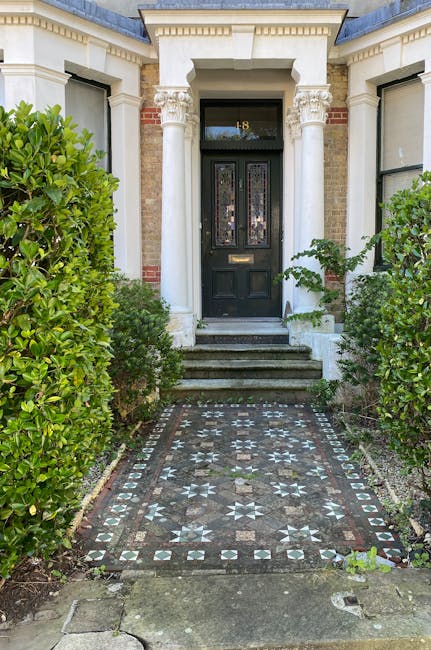
If a front garden has become more clutter than curb appeal, you are not alone. In NW5, where many homes sit close to the street and every metre matters, a front garden can quickly turn into a tangle of self-seeded growth, broken pots, tired edging, and general bits that have quietly piled up over time. This NW5 front garden clearance case study by local gardeners looks at how a well-planned clearance can restore order, improve first impressions, and make the space easier to maintain without turning it into a blank, characterless patch.
What makes front garden clearance different from a bigger back-garden tidy-up? Quite a lot, actually. Front spaces need to balance neatness, access, safety, and street presence. They are the bit everyone sees first. In this guide, you will find a practical breakdown of how local gardeners approach the job, what usually goes wrong, which methods work best, and when a clearance should be followed by ongoing care or even light landscaping. There is a useful comparison table too, plus a checklist you can use before booking any work.
Expert summary: A front garden clearance is usually most effective when it starts with a clear plan, sensible waste handling, and a realistic idea of what should stay, what should go, and what will need follow-up maintenance. That sounds obvious, but it saves a lot of second-guessing on the day.
Why NW5 front garden clearance by local gardeners matters
Front gardens in NW5 often do more than decorate a property. They frame the entrance, guide foot traffic, and influence how safe, open, and cared-for a home feels from the street. A cluttered front garden can hide steps, narrow paths, and create trip hazards. It can also make regular upkeep harder, because once the space becomes overgrown, the next visit takes longer and usually needs more than a quick tidy.
Local gardeners bring a practical advantage here. They tend to understand the pace of the area, the mix of terrace and period homes, and the reality of tight access, low walls, shared front boundaries, and neighbours who do not want a noisy all-day disruption. That local awareness matters more than people think. It often means the work is done with fewer surprises and less back-and-forth. Truth be told, that alone can save a lot of hassle.
A front garden clearance also matters because it sets the tone for whatever happens next. If you want a simple low-maintenance space, the clearance should support that. If you want a smarter planting layout, it should be cleared in a way that protects useful shrubs or structural features. If you are starting from a truly overgrown mess, a proper clearance can be the first step before regular care or a broader redesign using landscape gardening or landscaping.
There is another reason it matters. In a front garden, "messy" reads very differently from "natural." People often keep too much because they hope it still looks charming. Sometimes it does. Sometimes it just looks like nobody has had a free Saturday in years.
How NW5 front garden clearance by local gardeners works
A good clearance is not just a matter of dragging everything out and filling a load bag. The process usually starts with a walk-through, where the gardener checks the access, the size of the frontage, the density of growth, and any awkward features such as tight gates, front steps, parked cars, bins, railings, or hard surfaces that need protection. That first look shapes the whole job.
Most local gardeners will then sort the space into practical zones. They will identify what is overgrown, what is living planting worth preserving, what needs cutting back, and what should be removed entirely. This is especially important in front gardens where an old shrub might be hiding the house number, blocking a window, or growing into a path. You do not want to rip out something that could be shaped and reused if a lighter approach will do.
The actual clearance often includes cutting back brambles, removing dead material, lifting leaf litter, taking away old pots or broken fixtures, edging the boundaries, and dealing with weeds that have rooted into cracks or borders. If there are overhanging branches or larger woody stems, gardeners may recommend more specialist help through tree lopping and removal, especially where branches affect light, access, or safety. For hedges that have simply got away from you, hedge trimming may be a better follow-up step than a full removal.
Once the visible waste is cleared, the finish matters. Good gardeners do not just leave a pile of debris in a bag and call it done. They tidy edges, sweep paths, level disturbed soil where sensible, and remove loose material that will only blow back in two days later. It is a small thing, but a proper finish changes everything.
Key benefits and practical advantages
Front garden clearance sounds straightforward on paper, yet the benefits reach further than people expect. First, it improves appearance right away. A clear entrance feels brighter, larger, and more welcoming. Even a modest frontage can look properly looked after once the visual noise is gone.
Second, it improves access. If the path, step, or gate was partly blocked, the clearance restores ease of movement. That matters for deliveries, visitors, prams, bins, and everyday use. In compact NW5 streets, a few inches can make a surprising difference.
Third, it makes future maintenance manageable. A front garden that has been cut back and reset is much easier to keep tidy with regular mowing, seasonal pruning, or basic upkeep through garden maintenance. Without that reset, people often find themselves repeating the same "big tidy" every few months. Not ideal.
There are also less obvious advantages:
- Improved light to the house frontage and lower windows
- Reduced damp-trapping debris near walls and paving
- Better visibility for security and street presence
- Safer access around uneven edges or concealed trip points
- A cleaner starting point for future planting or resurfacing
If the frontage is part of a larger refresh, a clearance may also help you spot what the space actually needs. Sometimes the answer is a light tidy and re-plant. Sometimes it is a more substantial redesign with new edging, better drainage, or a simple paving update. The clearer the ground, the clearer the decision. Funny how that works.
Who this is for and when it makes sense
Front garden clearance makes sense for homeowners, landlords, property managers, and anyone preparing a home for sale or letting. It is especially useful if the garden has been left after a busy period, a change in occupancy, or a stretch of bad weather that let weeds and debris take over. London gardens can move from neat to unruly in a blink. One wet spring and suddenly the lavender looks heroic for all the wrong reasons.
It is also a sensible option for people who do not want a full redesign, just a clean and manageable entrance. Not every garden needs a planters-and-paving transformation. Sometimes you just want the front to look tidy, safe, and respectable again. That is a perfectly valid brief.
It can be the right call if:
- The frontage is overgrown but the underlying structure is still sound
- Weeds, leaf build-up, and dead material are making the space look neglected
- Hedges or shrubs are blocking sightlines or access
- You need to prepare for maintenance, sale, or a tenancy handover
- You want a tidier base before adding planting or hard landscaping
If the job is simply about regular upkeep after the initial clearance, a mixed service approach often works better. For example, a one-off clearance followed by lawn mowing or a seasonal trim can keep the frontage in good shape without constant intervention.
Step-by-step guidance
Here is the simplest way to think about a professional front garden clearance in NW5. It is not glamorous, but it is reliable.
- Assess the space. Identify the access points, existing plants, waste volume, and anything delicate that should be protected.
- Decide what stays. Good gardeners are careful here. A healthy shrub or useful boundary plant may only need reshaping.
- Clear the surface debris. This includes leaves, branches, old pots, loose rubbish, and any material sitting on paths or borders.
- Cut back growth. Overgrown stems, hedges, brambles, and invasive weeds are reduced to a manageable level.
- Deal with roots, weeds, and edging. This is where a space starts to look intentionally cared for rather than just cut down.
- Remove and sort waste. Green waste is separated from mixed rubbish where possible, and everything is taken away responsibly.
- Finish and review. The last pass is about visual balance, safety, and making sure the frontage feels usable again.
A realistic example: if a small terraced front garden has a waist-high shrub, a cracked border, stray ivy, and leaf litter packed into a narrow path, the job may look simple from the road but take a bit of judgement. The shrub might be reduced rather than removed. The ivy might need a firmer hand. The cracked edge might need to be left in place for now if repair is outside the scope. That kind of judgement is what separates a neat result from an overdone one.
Where waste handling and clearance standards matter, it is sensible to ask how the team approaches sorting and disposal. Many customers also like to review a company's recycling and sustainability approach before they book. Fair enough really. Nobody wants their garden waste handled carelessly.
Expert tips for better results
One of the best things local gardeners can do is start with restraint. People often think the answer is to cut everything hard, fast, and low. Sometimes that is right. Often it is not. In a front garden, especially with mature planting, a selective clearance keeps structure and avoids the bare, harsh look that can come from overcutting.
Another useful tip is to think in layers. Surface debris goes first. Then visible obstruction. Then plant shaping. Then the final sweep. That order sounds basic, but if you jump straight into cutting, you can miss what is actually causing the mess. A garden can look cleaner without being properly cleared. There is a difference.
Keep these practical points in mind:
- Work from the entrance inward so the space stays usable during the job
- Protect paving, railings, and steps from scratch marks and dropped debris
- Separate healthy growth from dead matter before cutting begins
- Leave decisions about larger trees or risky branches to experienced hands
- Allow for a finishing phase, not just a removal phase
It also helps to be honest about follow-up care. If a front garden has been neglected for years, one clearance will not make it low-maintenance forever. It just gives you a manageable starting point. That distinction saves disappointment later, and, to be fair, it keeps everyone sane.
Common mistakes to avoid
Front garden projects go wrong in predictable ways. The first mistake is treating every plant like a problem. Some greenery is worth keeping, especially if it frames the house or softens a hard frontage. Removing too much can make the space feel stark and less private than before.
The second mistake is ignoring access and finish. A lot of clearance jobs look fine while the team is there, then feel awkward once the waste is gone because the path has been left uneven or the edges were not properly dealt with. That is one of those annoying little details that changes how you use the space day to day.
Other common pitfalls include:
- Skipping an initial assessment and discovering hidden issues mid-job
- Leaving cut material on site too long, especially in wet weather
- Forgetting about sightlines from the pavement and road
- Assuming all clearance work is the same as routine maintenance
- Not checking whether any large woody growth needs specialist handling
And yes, sometimes the biggest mistake is simply waiting too long. Once self-seeded growth and dense weeds have settled in, the job becomes slower and more expensive. A small, regular tidy is almost always easier than a heroic rescue mission later.
Tools, resources and recommendations
For a front garden clearance, the right tools depend on the conditions. A light frontage with leaves and soft growth may only need basic hand tools, pruning equipment, and bags for green waste. A heavier job with brambles, roots, and stubborn edging will usually require stronger cutting tools and more time on waste removal. The point is not to own the fanciest kit; the point is to use the right kit for the surface in front of you.
Typical tools and materials include:
- Hand shears and secateurs for careful trimming
- Spades, forks, and edging tools for border work
- Brushes and bins for fine debris and path clearing
- Pruning saws for thicker stems
- Tarps or bags for collecting waste cleanly
Where a garden is likely to need more than a one-off clear, it is worth looking at a broader service plan. That might include seasonal garden maintenance, targeted hedge trimming, or even a small redesign if the current layout is fighting against the space. If the front is very bare after clearance, a later planting plan can bring it back to life without overcomplicating things.
One more practical recommendation: think about waste volume before the job starts. It is a tiny detail, but it affects access, labour time, and how much back-and-forth is needed. A front garden clear in NW5 often looks simple from the street and then fills bags fast once the hidden stuff comes out. Happens all the time.
Law, compliance, standards and best practice
Front garden clearance is not usually a heavily regulated type of work in itself, but sensible standards still matter. In the UK, good practice means working safely, handling waste responsibly, and avoiding unnecessary damage to property, boundaries, or neighbouring areas. If a project involves height, power tools, or potentially unstable branches, the team should follow careful safety procedures and make the scope clear from the outset.
Where applicable, the gardener should also think about insurance, access, and safe working methods. That is particularly important in front gardens because work happens close to pavements, front doors, windows, and sometimes parked vehicles. A tidy job is good. A tidy and safe job is better.
For customers, a sensible checklist is:
- Ask whether the work is insured and how they manage site safety
- Clarify what waste is included and how it will be removed
- Confirm whether any larger tree or stump work is outside the clearance scope
- Check that the service description matches what you actually need
- Make sure the finish includes the visible front approach, not just the borders
If you want to understand how a company approaches trust and responsibility more broadly, pages like health and safety policy and insurance and safety can help set expectations before anyone starts work. That sort of clarity matters. Especially when the job is close to the street and the weather is, well, very London.
Options, methods and comparison table
Not every frontage needs the same level of intervention. In practice, most jobs fall into one of three methods: a light tidy, a medium clearance, or a heavier restoration-style clearance. Choosing the right one keeps costs sensible and avoids overdoing the work.
| Method | Best for | Typical focus | When it may not be enough |
|---|---|---|---|
| Light tidy | Minor leaf build-up, small weeds, tidy-up after a season | Surface debris, edging, light trimming | If growth is blocking access or hiding structure |
| Medium clearance | Overgrown but still manageable front gardens | Cut back shrubs, remove weeds, clear paths, reset borders | If roots, dense brambles, or larger woody growth dominate |
| Heavy clearance | Long-neglected or cluttered front gardens | Substantial reduction, waste removal, major reset | If the space needs redesign rather than just clearance |
In a lot of NW5 homes, a medium clearance is the sweet spot. It is usually enough to restore structure without stripping the garden of its character. A heavy clearance can be the right answer too, especially where access is limited and the frontage has become more of an obstacle than a garden. The key is matching the method to the condition, not the other way round.
Case study or real-world example
Here is a realistic front garden scenario based on the kind of work local gardeners often handle in NW5. A small front garden had drifted into a state where the path was partly hidden, the border was full of self-seeded growth, and a couple of shrubs had sprawled so far outward that the entrance felt narrower than it actually was. Nothing dramatic, just the sort of space people stop noticing because it becomes part of the daily background.
The first step was a walk-through to identify what was useful and what was not. One shrub still had structure and only needed a careful reduction. Ivy needed to be cut back from hard surfaces. The border edge was reset visually, not rebuilt. Dead material and loose debris were removed first, then the denser growth was reduced in stages so the frontage would not look abruptly stripped. That gradual approach matters more than it sounds like it should.
By the end of the clearance, the path was clear, the entrance looked wider, and the front of the house finally read as part of the property again rather than something hiding behind it. The best result was not just visual. It was practical. The space became easier to walk through, easier to keep clean, and easier to maintain after rain and fallen leaves.
Practical lesson: In a front garden, the goal is rarely "empty." It is usually "clear, balanced, and easy to live with." That is a much better target.
In cases like this, a follow-up plan often helps. A few weeks later, routine upkeep or a more tailored service such as lawn mowing or selective border care can stop the garden sliding back into the same shape. That is the bit people forget. The tidy-up is the reset, not the finish line.
Practical checklist
Use this quick checklist before booking a front garden clearance or while reviewing the job on the day.
- Is the main issue clutter, overgrowth, or both?
- Do you want a tidy reset or a more ambitious redesign later?
- Are there plants worth keeping rather than removing?
- Will access be awkward because of gates, steps, or parked cars?
- Is there a path, threshold, or entrance that must stay clear throughout?
- Do you need waste removed as part of the job?
- Could any tree, branch, or woody stem need specialist attention?
- Would follow-up maintenance help stop the same problem returning?
- Have you asked how safety, insurance, and waste handling are managed?
- Does the proposed finish suit the look of the house and street?
Quick reminder: if the area has been neglected for a while, a staged approach is often smarter than trying to solve everything in one go. A clean, steady reset usually ages better.
Conclusion
A well-handled front garden clearance in NW5 is about more than making things look neat for a day. Done properly, it restores access, improves safety, and gives the property a stronger first impression without stripping away all the character. That balance is the real skill. Local gardeners tend to do well here because they understand the space, the street context, and the need for practical results rather than flashy ones.
Whether your frontage needs a light tidy, a medium clearance, or a more involved reset, the best outcome usually comes from clear decisions, sensible waste removal, and a finish that makes future maintenance easier. Simple, but not simplistic. And in a place like NW5, that kind of grounded approach is exactly what saves time and stress later on.
Get a free quote today and see how much you can save.
If you are comparing options or planning a larger refresh, it can also help to review the wider services overview and learn more about the team behind the work on the about us page. A little context goes a long way.
Frequently Asked Questions
What is included in a front garden clearance?
It usually includes removing visible waste, cutting back overgrowth, clearing weeds, tidying borders, and making the entrance safer and easier to use. The exact scope depends on the site.
How long does a front garden clearance in NW5 usually take?
It depends on the size and condition of the garden. A small, lightly overgrown frontage can be fairly quick, while a neglected space with dense growth takes longer. Access also affects timing.
Do local gardeners take away all the waste?
In many cases, yes, waste removal is included or available as part of the job. It is best to confirm this in advance so there are no surprises on the day.
Is front garden clearance different from garden maintenance?
Yes. Clearance is usually the reset job, often more intensive. Garden maintenance is the ongoing care that keeps the space tidy afterwards. They work well together.
Can a clearance be done without removing plants I want to keep?
Absolutely. A careful gardener should identify which shrubs, plants, or features are worth preserving before any major cutting begins. That is one of the most useful parts of a proper assessment.
What if my front garden has a tree or large branch problem?
If larger woody growth is involved, the job may need specialist handling. In those cases, tree work should be assessed separately rather than being folded into a general clearance without a proper look.
How do I know whether I need a light tidy or a heavy clearance?
If the space is mostly presentable but messy, a light or medium tidy may be enough. If paths are blocked, growth is dense, or the frontage has been neglected for a long time, a heavier clearance may be more appropriate.
Will a front garden clearance improve kerb appeal?
Usually, yes. A tidy, open entrance tends to make the property look more cared for and easier to approach. It is a small change that can make a surprisingly strong visual difference.
Is it worth pairing clearance with other services?
Often, yes. Depending on the frontage, services such as hedge trimming, lawn mowing, or small-scale landscaping can create a better long-term result than clearance alone.
What should I ask before booking a clearance?
Ask what is included, how waste is handled, whether the work is insured, what happens to plants you want to keep, and whether the quote covers the full finish. Clear answers usually lead to better results.
Can a clearance help prepare a property for sale or letting?
Yes. A front garden is one of the first things people notice, so a clean, open, and manageable entrance can improve presentation before viewings or handover.
Where can I learn more about service standards and payment confidence?
It helps to look at practical information such as pricing and quotes and payment and security so you understand expectations before work begins. That little bit of checking saves awkwardness later.